
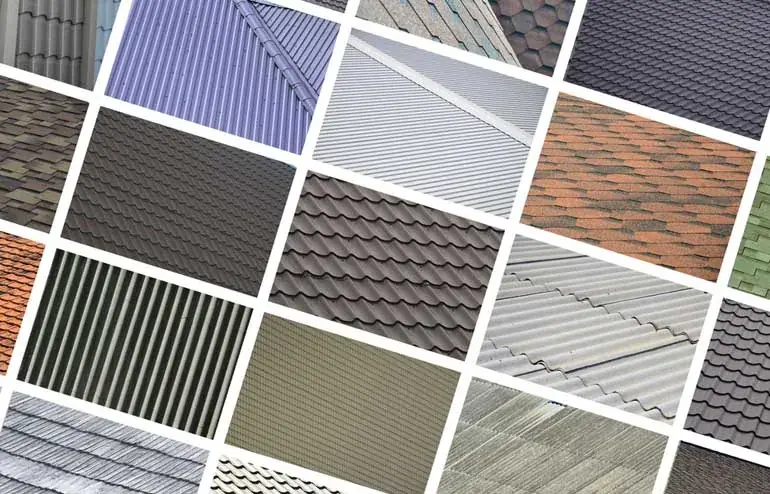
Roofing materials have improved dramatically over the years, just like every other part of a home's exterior. Here in North Carolina, the most popular choices today are asphalt shingles and metal roofs — including standing-seam and metal panel systems — but it wasn't always that way. One of the very earliest roofing materials was tile, which is still common in other parts of the country.
Asphalt and metal in particular have gone through decades of advancement, and both are now more durable, more attractive and far longer-lasting than their early versions. A big part of that longevity comes down to proper installation, which is where an experienced Burlington-area roofing crew makes the difference. Here's a quick look at how each material got to where it is today.
Metal Roofing Through the Years
The first metals used for roofing were lead and copper, with the first sheet iron manufactured back in 1794 in New Jersey. Then, in 1837 in France, zinc-galvanized metal was introduced to fight off rust. In both countries, metal roofing caught on mainly because it was lightweight, low-cost and low-maintenance.
Galvanized coatings became popular in the 19th century because they gave metal roofs a much longer service life. Large steel roofing panels were originally used almost exclusively on agricultural and industrial buildings, since the corrugated panels could span longer distances — which reduced both material volume and framing weight. With looks barely a consideration, metal roofs became synonymous with barns and similar structures.
Metal roofing has evolved a great deal since then. Once thought of as a cheap, utilitarian material for train stations and barns, it has been transformed into a high-end option prized on both homes and commercial buildings for its beauty and longevity.
Asphalt Shingles Through the Years
The first primitive asphalt shingles appeared in the 1800s. Roofers would lay down fabric and coat it with pine tar — a very sticky substance. By the 1840s, they were using heavy paper covered with sand and tar, and later switched from pine tar to coal tar, a waste byproduct of the gas-light industry.
In 1903, a Michigan roofer began cutting asphalt-saturated rolls into individual pieces, all by hand. Machines soon took over the job with a roller-die that separated each piece from a long ribbon of asphalt-saturated felt. The first strip shingles arrived in the 1920s.
The materials kept improving from there:
- 1940s — roofers stopped using cotton-based rag felt and moved to celluloid-based felts.
- 1960s — fiberglass began replacing felt as the shingle's reinforcing mat.
- 1980s — fiberglass mats were used almost exclusively in place of organic felt.
The industry is still evolving today with the arrival of architectural composition shingles and even solar shingles.
What This Means for Your Home Today
The takeaway is simple: whichever material you choose, today's roofing is built to outperform what came before it. Modern fiberglass-based architectural shingles resist wind and weather better than the organic-felt shingles of decades past, and modern metal systems pair that long lifespan with a clean, premium look. The one constant across both is that a roof only delivers on its promise when it's installed correctly — which is exactly where a careful, experienced crew earns its keep.
Roofing Contractor in Burlington, NC
Whether you're leaning toward a classic asphalt shingle roof or a modern standing-seam metal one, Redeem Roofing & Construction can handle it. We've been installing both across Burlington, Greensboro, Winston-Salem and the Piedmont Triad since 2016, and we're happy to walk you through the differences so you can choose what fits your home and budget best.
Ready to talk it through? Request a free, no-obligation estimate or call us at (336) 350-1450 — and if you're still comparing materials, our roofing overview lays out every option side by side.